
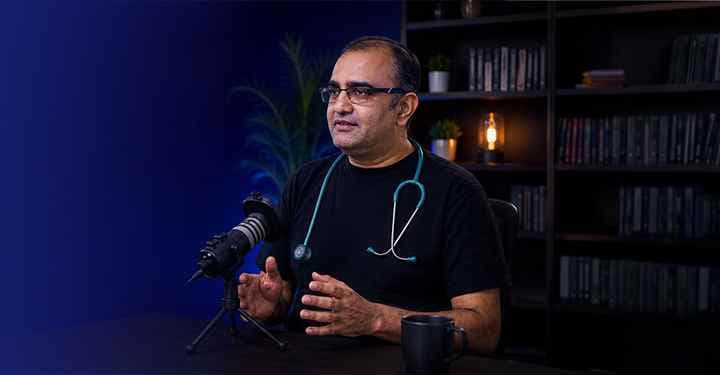
The Sixth Vital Sign

Cancer anxiety is the sixth vital sign. Visible, measurable, solvable.
Join evidence-based conversations with oncologists, palliative care specialists, psycho-oncologists, and clinical researchers exploring one of the least measured dimensions of cancer care—anxiety. Each episode examines current evidence, clinical practice, and emerging research in Onco-Anxiology™, helping healthcare professionals, patients, and caregivers better understand the psychological challenges that accompany the cancer journey. New episodes every two weeks. Available on Spotify, Apple Podcasts, YouTube, and RSS.

 28:39


Panic Attacks and Cancer Anxiety: What Happens When Fear Comes Without Warning
Panic Attacks and Cancer Anxiety: What Happens When Fear Comes Without Warning | Dr. Chirag Jain A racing heart, sudden breathlessness, sweating, and an overwhelming sense of fear—panic attacks can occur even when a cancer patient seems completely fine. In this episode, Dr. Chirag Jain explains why panic attacks happen during cancer care, how to recognise recurring episodes, when to seek medical assessment, and how appropriate treatment can help patients regain confidence and quality of life. He also shares three simple questions clinicians can ask to identify hidden distress. Chapters / Timestamps 00:00 – When panic comes without warning 02:27 – Understanding panic attacks 04:32 – Panic attack vs. anxiety 06:41 – What happens inside the body? 09:10 – Why cancer can intensify panic 11:10 – How common is it—and why is it missed? 16:51 – Warning signs you shouldn’t ignore 18:10 – How panic affects quality of life 19:55 – Can panic attacks be treated? 21:42 – Three questions every clinician should ask 24:09 – Myths about panic attacks 26:30 – FAQs: Understanding panic attacks Important: Sudden breathlessness, chest symptoms, or other concerning physical symptoms require medical assessment. Do not assume they are caused by panic. #DrChiragJain #CancerAnxiety #PanicAttacks #OncoAnxiology #CancerCare

About the Podcast
Cancer care extends beyond diagnosing and treating disease. It also involves understanding the psychological burden that accompanies diagnosis, treatment, survivorship, and life beyond cancer. This podcast brings together clinicians, researchers, and mental health specialists to explore what current evidence tells us about cancer-related anxiety and why it deserves greater attention within modern oncology practice.
A 2024 meta-analysis of 84 studies found that approximately one in four people living with cancer experience anxiety symptoms or anxiety disorders, with the prevalence approaching 31% among women diagnosed with cancer (Amiri S, 2024, Frontiers in Psychiatry). Despite this, anxiety remains underidentified and underreported in routine oncology practice, and distress screening is not consistently integrated into clinical care.
This podcast puts the question to the specialists themselves.
Each episode, Dr. Chirag Jain sits with an oncologist, a palliative care lead, or an onco-psychologist and works through one part of the problem: how anxiety shows up, how it is missed, and what the evidence says about treating it.
Offering motivational conversations is fine, but the podcast focuses on scientific evidence, multidisciplinary clinical perspectives, and practical discussions relevant to oncology practice.
The series is designed for oncologists, oncology trainees, oncology nurses, psycho-oncologists, researchers, allied healthcare professionals, and is presented in language that remains accessible for patients and caregivers seeking reliable, evidence-based information.
Latest Episodes
Browse by Topic


Who This Podcast Is For ?
Every episode brings together clinical expertise, current scientific evidence, and multidisciplinary perspectives on one of the least understood aspects of cancer care. Whether you are treating patients, supporting a loved one through cancer, conducting research, or navigating your own cancer journey, these conversations are designed to provide evidence-based insights rather than opinion, helping bridge the gap between oncology, psychology, and supportive care.